Personal
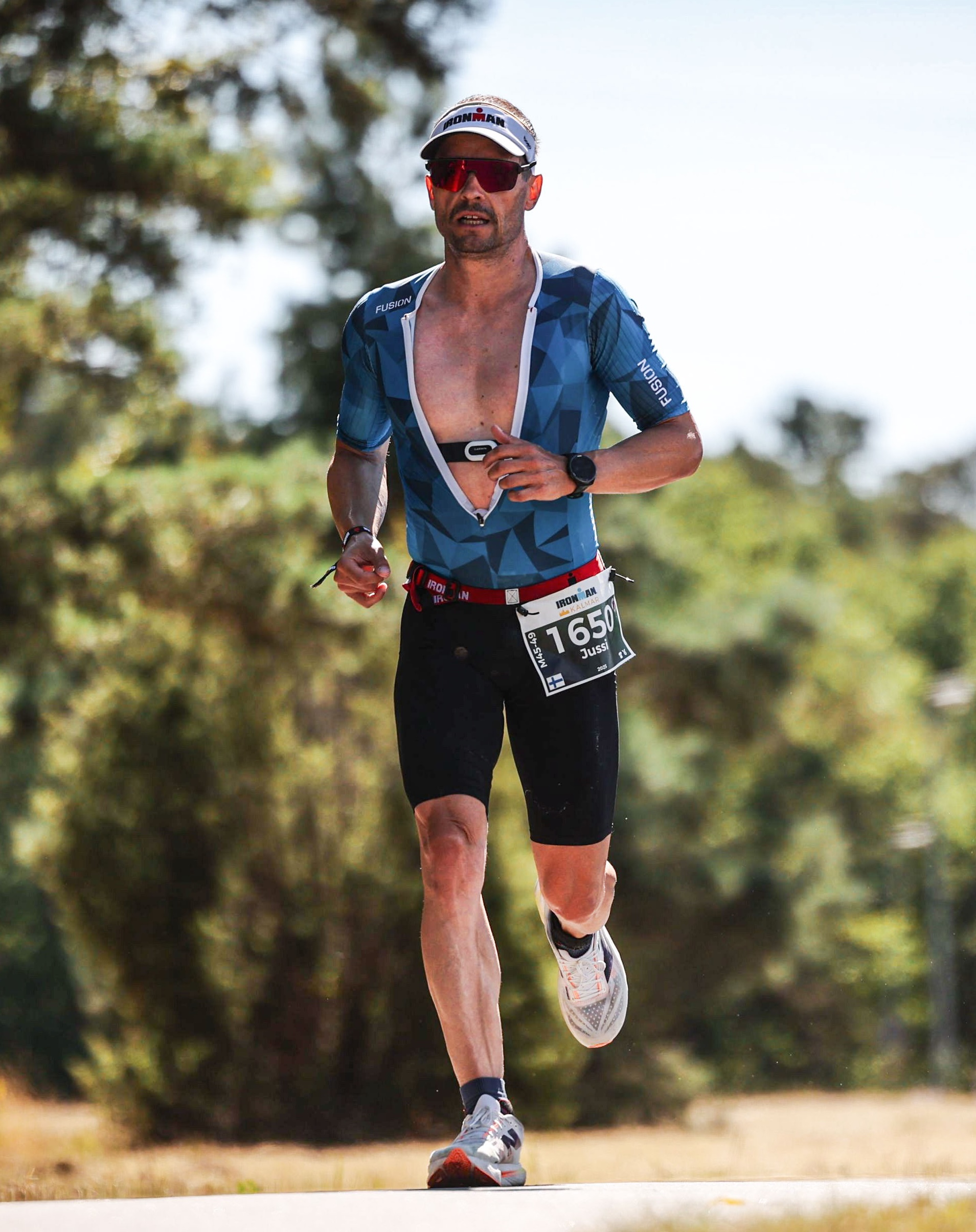
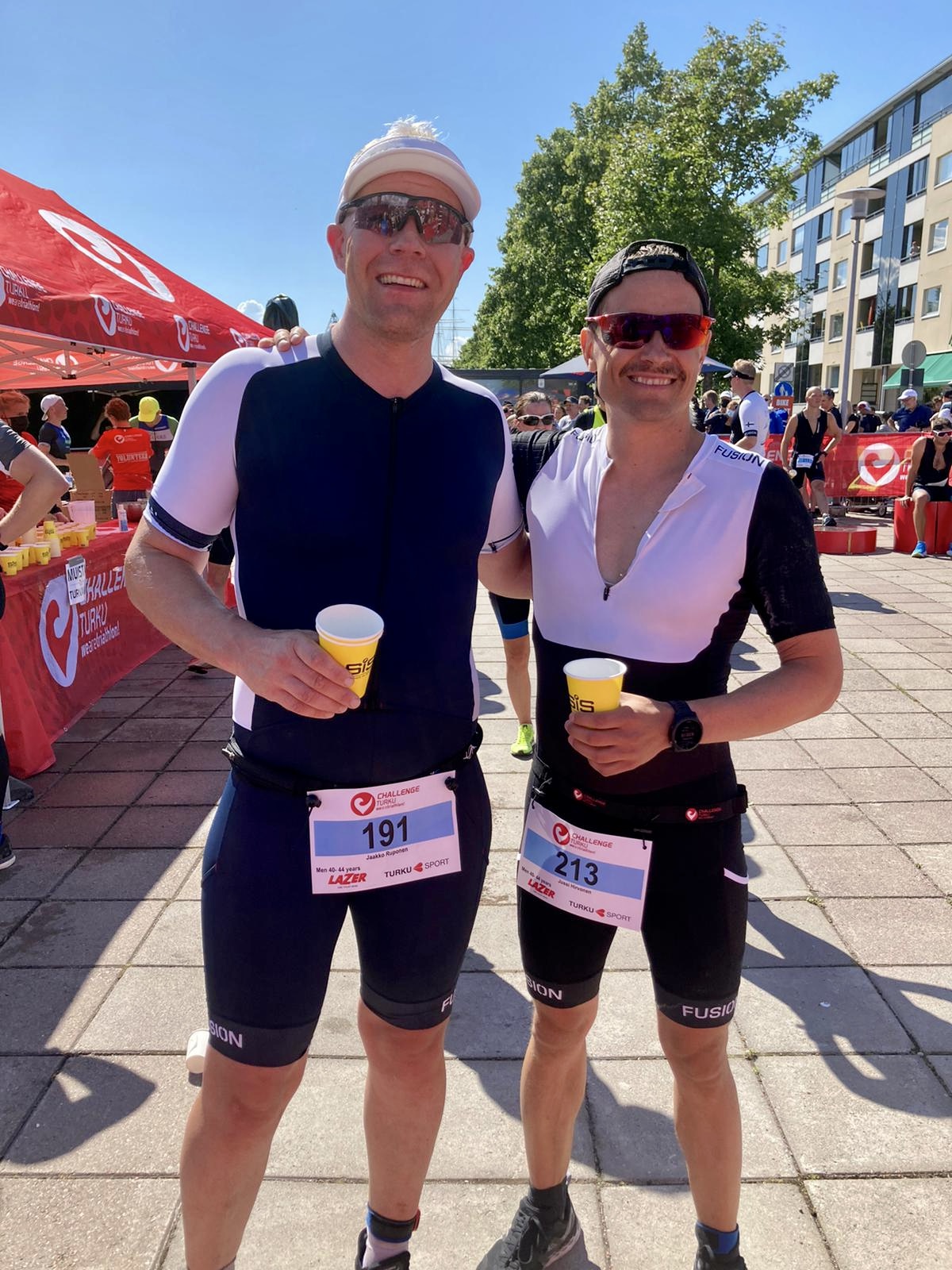
Beyond academic medicine, I am passionate about endurance sports: cycling, running, and triathlons. The parallels between long-distance athletic pursuits and academic research are striking: both require sustained effort, strategic planning, and the resilience to overcome setbacks. Additionally, regular exercise provides an essential balance to the demands of cognitive work, helping to sharpen focus, reduce stress, and foster creative problem-solving in the lab or clinic. A healthy body truly sustains the mind, ensuring I can maintain the stamina needed for late-night radiology reviews, grant writing sessions, or teaching commitments. These activities not only recharge me physically but also remind me of the importance of perseverance in all aspects of life.
Endurance Sports and Academic Medicine: Shared Principles
Long-term commitment and delayed gratification
- Training for an Ironman takes months of consistent daily effort, just as building a research career requires years of sustained work before major breakthroughs
- Both demand patience; you cannot rush a PhD any more than you can skip base training and expect to finish a marathon strong
Data-driven optimization
- Athletes track heart rate, power output, and training load; researchers analyze datasets, metrics, and outcomes
- Both fields require iterative refinement based on objective measurements
- Small marginal gains compound over time, whether shaving seconds off a split or improving diagnostic accuracy
Resilience through failure
- Not every race goes to plan, just as not every study yields significant results
- The ability to analyze what went wrong, adjust strategy, and try again is essential in both domains
- Setbacks are learning opportunities, not endpoints
Strategic pacing and resource management
- In endurance events, going too hard early leads to collapse; in research, overextending on too many projects leads to burnout
- Both require knowing when to push hard and when to recover
- Success comes from sustainable effort, not unsustainable sprints
Focus and mental discipline
- Maintaining concentration during the final hours of an Ironman mirrors the focus needed during complex clinical cases, grant writing, or teaching
- Both require the ability to push through discomfort and stay present when motivation wanes
Process over outcome
- You cannot control race-day weather or reviewer comments, but you can control your preparation and response
- Excellence comes from focusing on controllable inputs (training quality, manuscript rigor) rather than obsessing over outcomes
Teamwork and collaboration
- Success in endurance sports requires coaches, training partners, and support crews; academic medicine depends on research teams, co-authors, and clinical collaborators
- Both demand effective communication within multidisciplinary teams and the humility to recognize that individual achievement is built on collective effort
Personal Records
Why This Matters
The discipline, analytical thinking, and resilience developed through endurance sports directly enhance my effectiveness as a researcher and educator. The ability to maintain focus during a 10-hour race translates to sustained concentration during complex diagnostic imaging analysis. The patience required for long training blocks mirrors the patience needed for longitudinal research studies. The mental fortitude to push through challenging moments in competition strengthens resolve when facing academic setbacks.
Both pursuits are fundamentally about continuous improvement, evidence-based decision-making, and the satisfaction of achieving goals through consistent, deliberate effort.
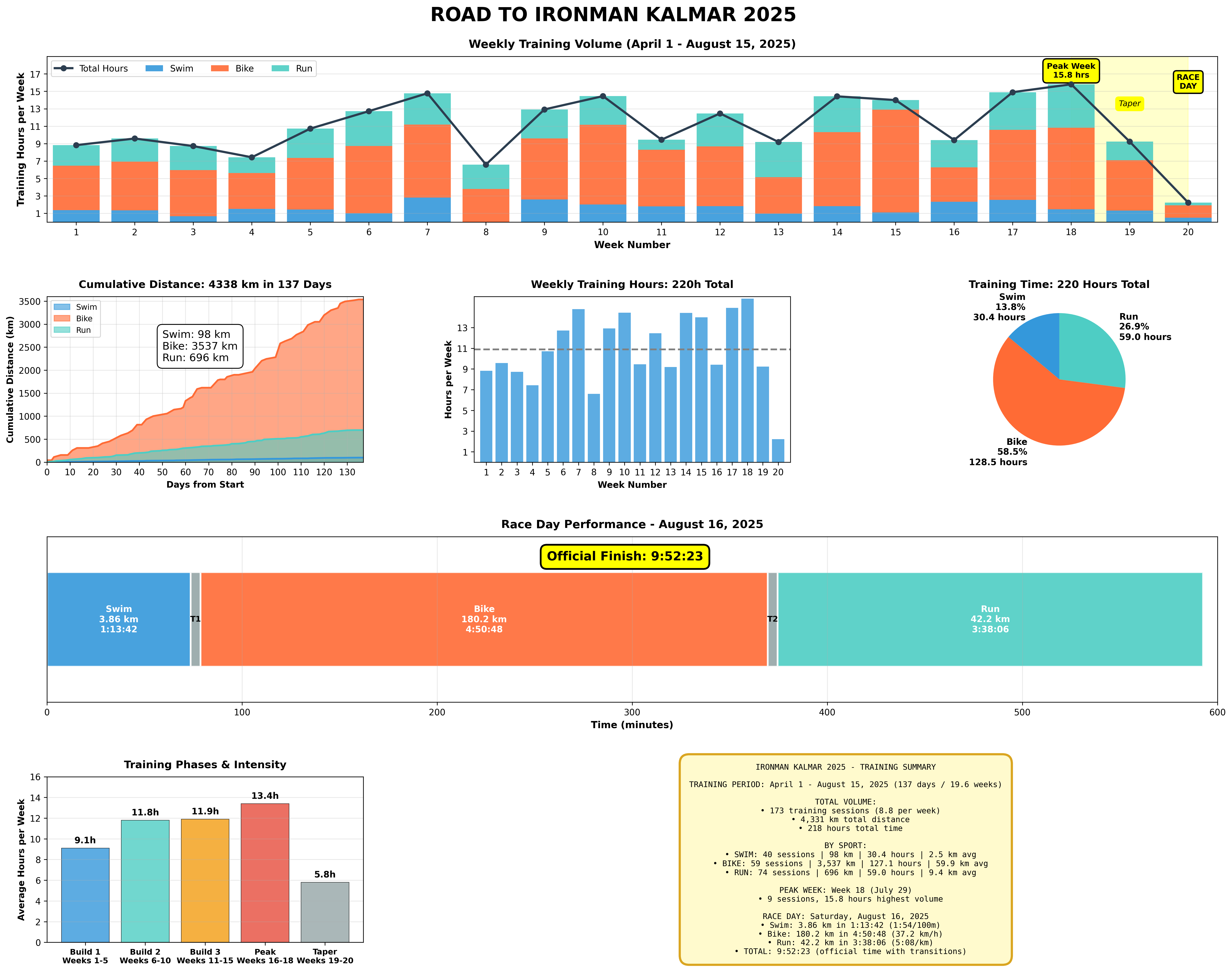
Road to Ironman Kalmar 2025
137 days of dedication from April to August 2025, culminating in a 9:52:23 finish at Ironman Kalmar. The journey included 173 training sessions, 4,331 kilometers, and 218 hours of swimming, cycling, and running.